answer.
Ask question
Login Signup
Ask question
All categories
  • English
  • Mathematics
  • Social Studies
  • Business
  • History
  • Health
  • Geography
  • Biology
  • Physics
  • Chemistry
  • Computers and Technology
  • Arts
  • World Languages
  • Spanish
  • French
  • German
  • Advanced Placement (AP)
  • SAT
  • Medicine
  • Law
  • Engineering
nikklg [1K]
2 years ago
11

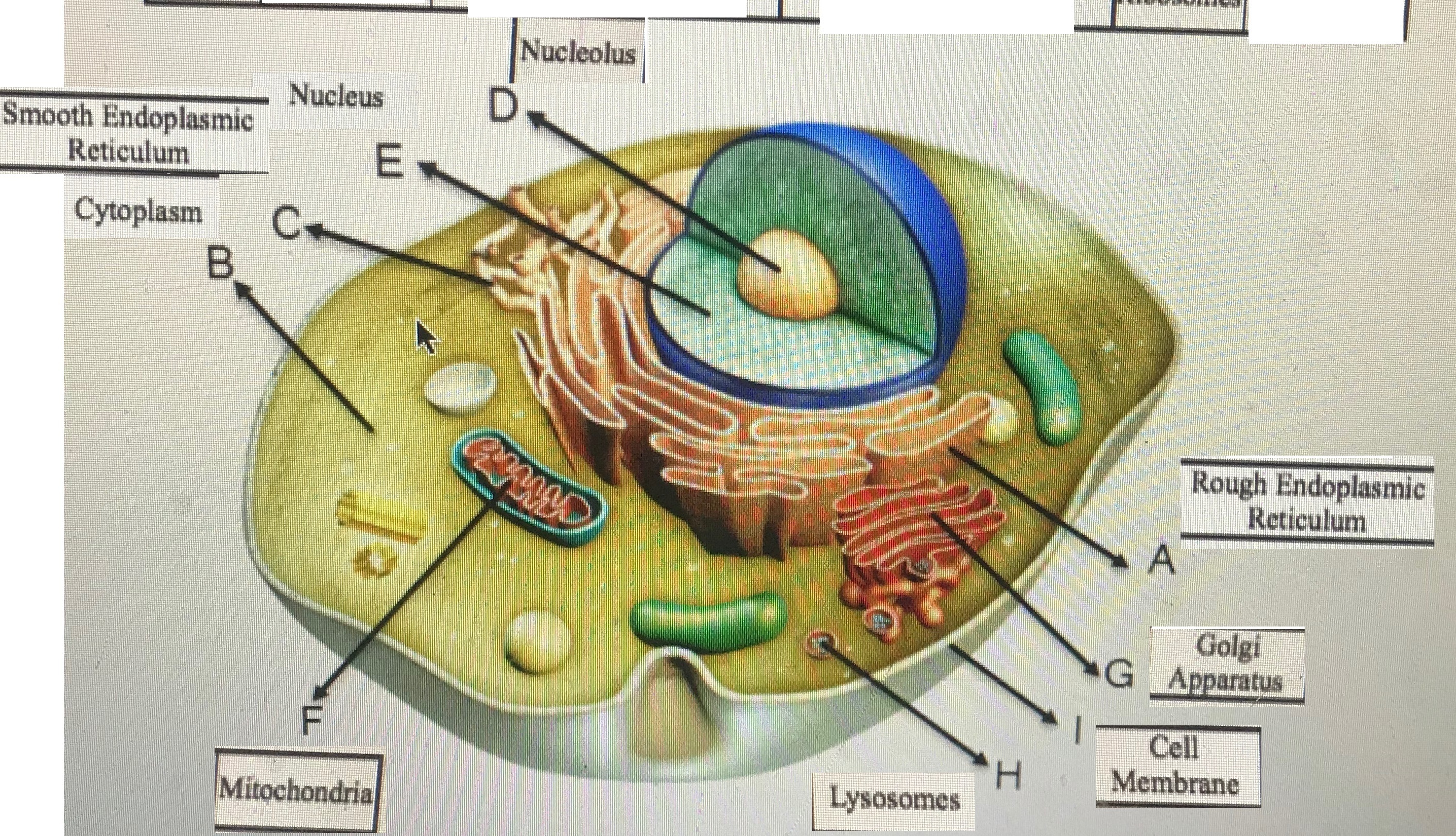
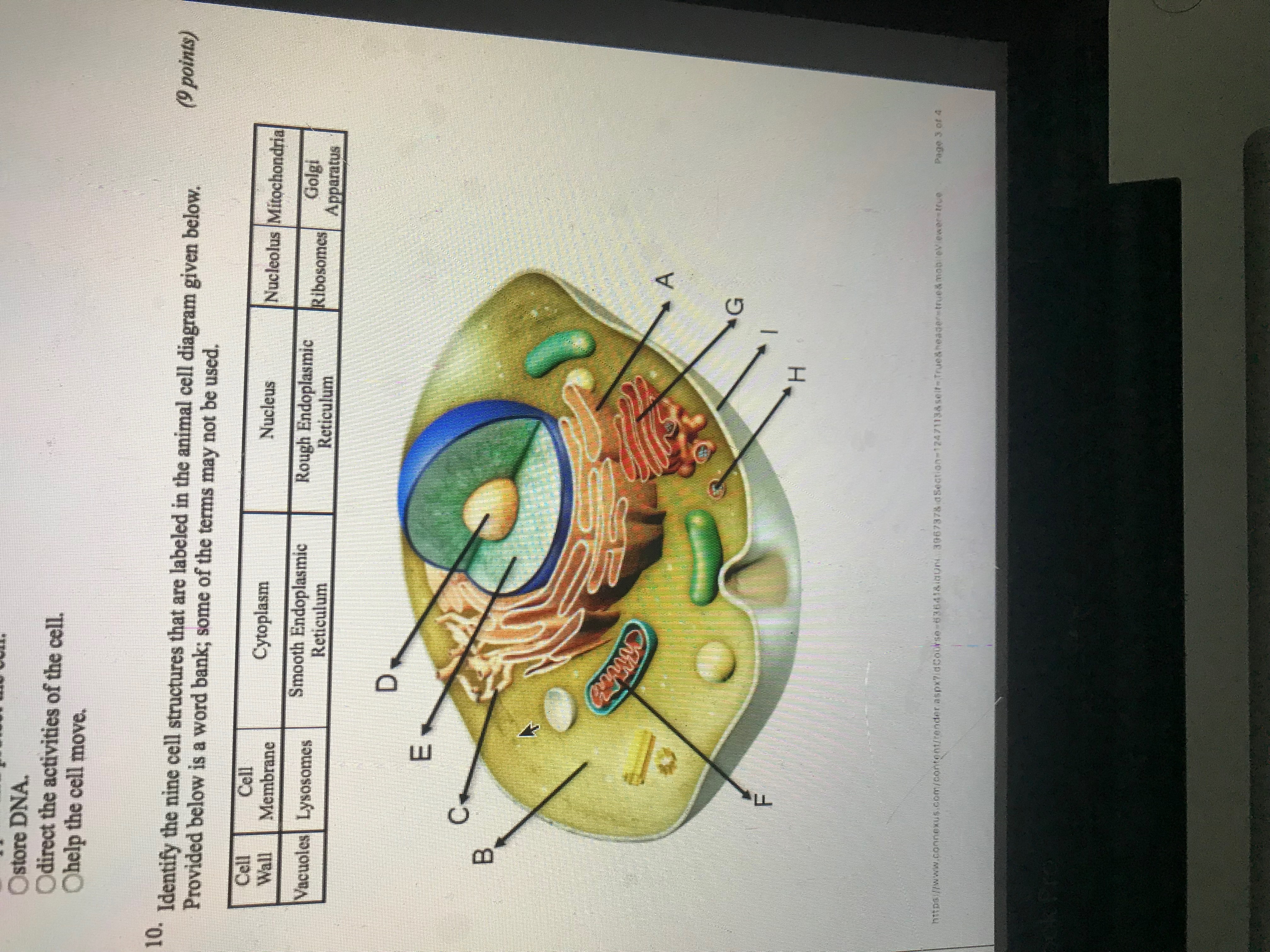
Identify the nine cell structures that are labeled in the animal cell diagram given below. Provided below is a word bank; some o

f the terms may not be used.

Biology
2 answers:
loris [4]2 years ago
5 0

A. The right answer is Rough endoplasmic reticulum

The granular endoplasmic reticulum is the place of synthesis (in the associated ribosomes) of the proteins secreted outside the cell and of the proteins and lipids constituting the membranes of the cellular organelles. Golgi, lysosomes, mitochondria, nucleus, ribosomes, vesicles ...). It participates in the correct folding of the proteins that have just been synthesized.


B. The right answer is Cytoplasm.

The cytoplasm corresponds to the medium found inside the cells. It is therefore delimited by the plasma membrane and contains within it, in eukaryotes, the nucleus, but also all intracellular organelles (ribosomes, endoplasmic reticulum, Golgi apparatus, mitochondria, various plastids, etc.).


C. The right answer is Smooth endoplasmic reticulum.

The endoplasmic reticulum is a eukaryotic cell organelle. He can be :

* granular (REG), that is to say associated with ribosomes that constitute the "granules";

* or smooth (REL).

The smooth endoplasmic reticulum participates in cellular metabolism, synthesizing lipids and storing calcium.


D. The right answer is Nucleolus

The nucleolus is the site of the transcription of ribosomal RNAs (rRNA) by the enzyme RNA polymerase I. These rRNAs (18S, 5.8S and 28S) will be used in ribosome production by associating with ribosomal proteins, a process that which is also facilitated by the factors contained in the nucleolus.


E. The right answer is Nucleus.

The nucleus contains the nuclear genome, consisting of DNA. DNA, bound to proteins, takes two forms, more or less condensed:

* euchromatin: less compacted, genes can be expressed;

* the heterochromatin: more compacted, on the periphery of the nucleus, the genes are extinguished or little expressed.

The nucleus is the main site of DNA synthesis (during replication for cell division) and RNA (for transcription).

The nucleus also contains a particular structure, the nucleolus, the locus of transcription of ribosomal RNAs.


F. The right answer is Mitochondria.

Mitochondria are small organelles (about 1 micrometer in length) essential in cellular energy processes.

The set of reactions that provides energy within the mitochondria constitutes cellular respiration.

Mitochondria are formed of an outer membrane, an inner membrane with many folds or ridges and a matrix which is the space between the folds of the inner membrane.


G. The right answer is Golgi apparatus.

The Golgi apparatus is an organelle of eukaryotic cells.

It is a major site for the transfer and sorting of molecules, as well as the synthesis of glycoproteins and sphingolipids.

By its position, between the endoplasmic reticulum and the plasma membrane, and its function, it is the intermediate between the maturation and the secretion of the proteins elaborated in the reticulum, it regulates the vesicular transport and is responsible for modifying the proteins by glycosylation, sulfation, etc.


H. The right answer is Lysosomes.

Lysosomes are 0.2 to 0.5 micron cell organelles present in the cytosol of all eukaryotic, animal cells, with the exception of erythrocytes ("red blood cells"). Their function is to carry out intracellular digestion (or extracellular digestion via exocytosis in the case of chondroblasts, osteoclasts and macrophages) thanks to about forty enzymes.


I. The right answer is Cell membrane.

The cell membrane delimits the cell. It separates the inside of the cell (the cytoplasm) from the outside environment. It is composed of phospholipids, between which proteins are inserted. Unlike the membranes of bacteria and plant cells, those of animal cells contain cholesterol molecules, which stiffens them and increases their impermeability to hydrophilic molecules.

Harrizon [31]2 years ago
3 0

The labelled diagram is mentioned below-

A-Rough endoplasmic reticulum

B-Cytoplasm

C-Smooth endoplasmic reticulum

D-Nucleolus

E-Nucleus

F-Mitochondria

G-Golgi apparatus

H-Lysosomes

I-Cell membrane


You might be interested in
3.How many plants were likely to have been in the<br> pond on day 15?
slamgirl [31]
Um probably 4 because I got a little hungry
5 0
2 years ago
A tobacco plant is heterozygous for the genes for long stems (Ss), large leaves (Ll), and fibrous roots (Rr). It is crossed with
Ainat [17]
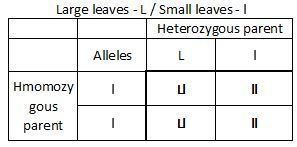
Firstly, start by doing Punnett squares for each of the characteristics. Attached are the three Punnet squares, made by me, as they should look in end.

For each of the Punnet squares, one characteristic each, we find that half of the offspring will be heterozygous for that characteristic.
Therefore, according to the product rule, you should now multiply the quantity of heterozygous for each characteristic and then obtain the total part of the offspring that's fully heterozygous.

\frac{1}{2}Ss×\frac{1}{2}Ll×\frac{1}{2}Rr=\frac{1}{8}SsLlRr

Total offspring×\frac{1}{8}=10
There is 10 plants in the total offspring that are heterozygous for all the considered three genes.

7 0
2 years ago
"Sunlight is required for plant growth. When light energy is absorbed by a leaf, after a series of chemical reactions, the light
Dima020 [189]

Answer:

TRUE

Explanation:

The green plants have green pigments present on their leaves, which are commonly known as chlorophyll. This chlorophyll pigments have the ability to absorb the necessary amount of sunlight, that is required to carry out the process of photosynthesis. Photosynthesis usually refers to the process where the green plants can synthesize their own food in the presence of sunlight, water (H₂O), and carbon dioxide (CO₂), and in return, it liberates food (glucose) and oxygen (O₂) that is essential for the survival of all living organisms.

The reaction that takes place during the time of photosynthesis is given below-

6CO₂ + 6H₂O → C₆H₁₂O₆ + 6O₂

This process converts light energy into chemical energy, that is stored in the molecules of glucose.

Hence, the above statement is TRUE.

5 0
2 years ago
Why might a lysosome fuse with or link up with a food vacuole
Tomtit [17]
Vacuoles store things, so it would make sense that food vacuoles store food. Lysosomes digest things into smaller usable materials (or destroy them) so lysosomes will attach to food vacuoles so they can efficiently digest food. The vacuole to store the food waiting to be digested by the lysosome. Hope this helped :)
8 0
2 years ago
In Montana, wild huckleberries rely on bears and other herbivores that consume their fruit to spread their seeds. As a result, t
yKpoI14uk [10]

Answer:

The consumption efficiency of huckleberry is high, like in forest ecosystem.

Explanation:

Huckleberry is a term mainly used to describe numerous variations of plants with different colored small berries.  These are a rich source of nutrition for wild bears of Montana.

These plants are residents of acidic and infertile vegetative areas, that is why these species do not grow in Antarctica, central Greenland and parts of the high arctic.

3 0
2 years ago
Other questions:
  • Brain cells and red blood cells receive most of their energy directly from ________________.
    14·1 answer
  • Complete burning of plant material returns carbon primarily to the
    12·2 answers
  • Carbohydrates, such as glucose, are excellent sources of immediate energy for living organisms. More complex carbohydrates, such
    14·2 answers
  • How are humans activities disturbing carbon dioxide levels are affecting marine life
    10·2 answers
  • Part a which of these phases encompasses all of the stages of mitosis but no other events?
    5·1 answer
  • Millions of years ago, the Appalachian Mountains were towering, craggy mountains. Describe the processes that resulted in the lo
    5·2 answers
  • The nurse tells a client that talking with the staff members is part of the therapy program. the client responds, "i don't see h
    8·1 answer
  • A group of students form a Healthy Earth club at their school. Their goal is to limit their school’s impact on human-led climate
    10·2 answers
  • A grassy meadow high in the Sierra Nevada Mountains of eastern California is known to support a variety of organisms. During the
    7·1 answer
  • Which of the following ECG components represents a lack of electrical activity? A. T-wave B. Q-T interval C. P-R interval D. Iso
    7·1 answer
Add answer
Login
Not registered? Fast signup
Signup
Login Signup
Ask question!